SUPINATION AND PRONATION-A DISCUSSION AND RECOMMENDATIONS
By Richard Bodell
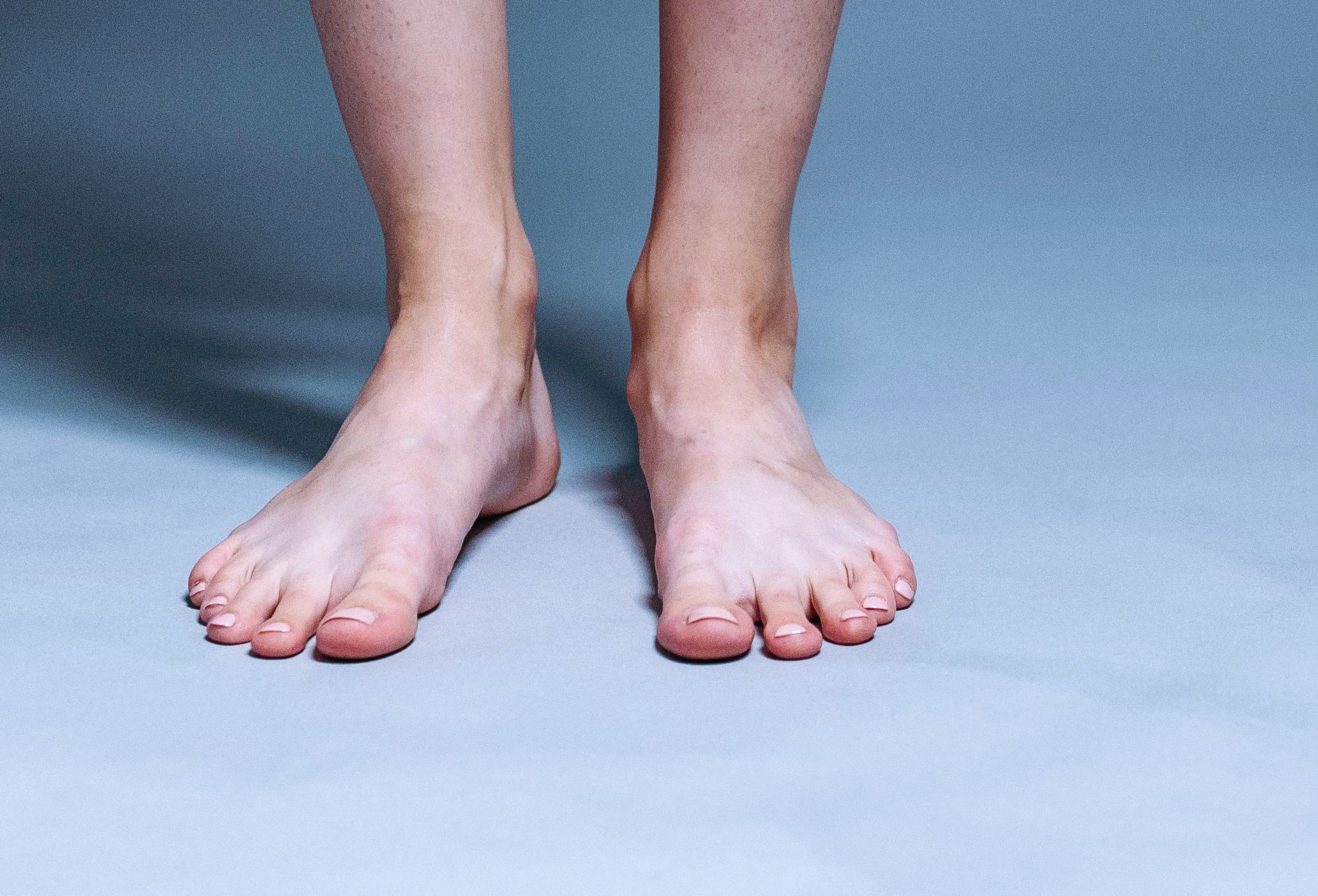
Over-Pronator or Pes Planus
Generally, the foot rolls inward beyond 15% gradation. Such foot structure is associated with a low arch and low instep. As such, understanding weakness in the ankle requires firm heel counter, strong lasting board and shank. The goal is for the ankle to further align with knee and hip. Thus, creating a more balanced weight distribution. Eliminates the inward tilt of the heel and outward forefoot flair (a “duck” walk).
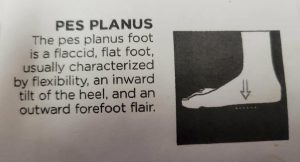
Pronation
Notice an inward tilt/rotation with a lifting of the heel and midfoot with a lift of the outside portion of the midfoot and an outward rotation of the forefoot.
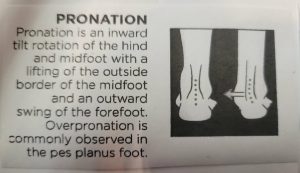
Pes Planus
Low instep and low arch are commonly referred to as flat feet, an inward tilt of the ankle/heel, and an outward forefoot flair.
Under-pronation or Supination/Pes Cavs
Such diagnosis means one’s gait shifts weight misappropriately outward. The tendency associated with this issue is due mostly to a high arch and high instep. Thus, causing a lifting of the midfoot (outward) and an inward finish of the forefoot. Creating excessive pressure points on the outer edges of the foot.
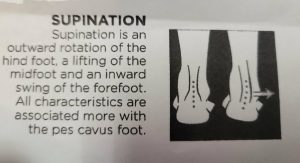
Supination
Notice in the picture an outward rotation of the ankle and heel and inward turn of the forefoot.
Pes Cavus
High arch and high instep, cause a tendency of outward flexion of ankle and in-flair of forefoot, creating tension on outer-edge of forefoot and heel.
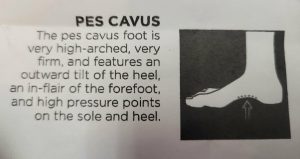
Again, the structure of the shoe is extremely important. Design of the shoe is for motion control. Strong heel counter support, stable lasting board and shank.
Generally, you want as close to a straight last shoe as possible. Meaning more area of coverage throughout the last/outside of shoe.
Less Coverage
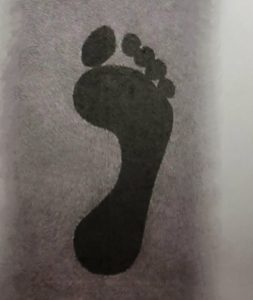
Notice with this last/construction, you have less coverage across lateral portion of arch plant. Not good for either pronator or supinator.
More Coverage
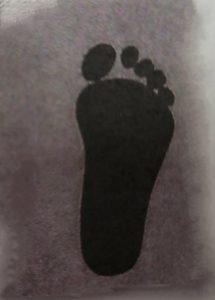
A shoe designed in this diagram provides the motion control necessary to keep ankle stabilized for pronator and supinator. You have more coverage in mid-point of foot laterally. Thus, giving greater stability to ankle. Hence the importance of proper fit and proper shoe for the pronator and supinator.